


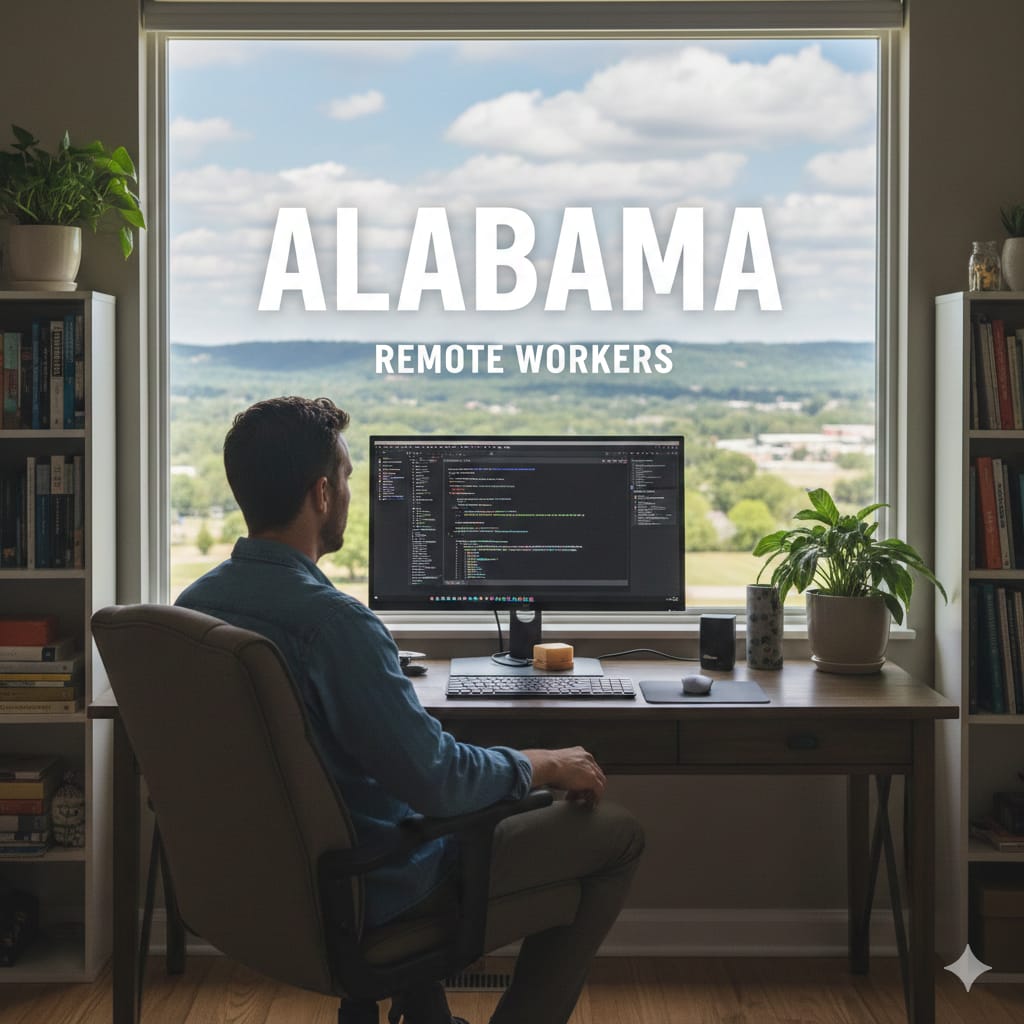
Remote work continues to shape where people choose to live in 2026. National workforce data shows that more than 25% of U.S. professionals now work fully remote or hybrid, and affordability, housing space, and quality of life remain top drivers in relocation decisions. Alabama has become an increasingly attractive option for remote workers seeking lower living costs, reliable infrastructure, and lifestyle flexibility without sacrificing connectivity.
Below are some of the best Alabama towns for remote workers in 2026, supported by housing, infrastructure, and growth trends.
Auburn, AL
Best for: Walkable lifestyle, connectivity, and amenities
Auburn benefits from university-driven infrastructure, which supports strong broadband coverage, coworking options, and reliable connectivity. College towns typically maintain higher internet service competition and consistent infrastructure investment, making Auburn well-suited for remote professionals who need dependable service and walkable amenities. Auburn also continues to show steady population and housing demand growth tied to education, healthcare, and professional services.
Why Auburn works for remote workers:
- Strong broadband availability
- Walkable downtown with cafes and work-friendly spaces
- Stable housing demand and resale potential
- Access to healthcare and professional services
Opelika, AL
Best for: Affordability with access to Auburn amenities
Opelika offers lower median home prices compared to Auburn while remaining within close proximity to its amenities, healthcare, and employment centers. Submarkets near university towns often experience increased demand from remote workers who want affordability without giving up lifestyle convenience. Opelika’s downtown revitalization and new residential development continue to attract buyers seeking value and community.
Why Opelika works for remote workers:
- More affordable housing options
- New construction with flexible layouts
- Access to shopping, dining, and healthcare
- Proximity to Auburn’s professional amenities
Valley, AL
Best for: Space, quiet living, and value
Valley appeals to remote workers who prioritize square footage, home office space, and quieter neighborhoods. National housing trends show that remote workers increasingly favor larger homes and flexible layouts over proximity to traditional office hubs. Valley provides more home space per dollar compared to nearby urban markets, making it attractive for families and professionals seeking value and lifestyle balance.
Why Valley works for remote workers:
- Lower cost per square foot
- Larger lots and flexible floor plans
- Lower population density and congestion
- Access to nearby Auburn-Opelika amenities
Huntsville, AL
Best for: Tech professionals and hybrid workers
Huntsville remains one of Alabama’s strongest growth markets due to its concentration of aerospace, defense, and technology employers. The city has benefited from ongoing broadband expansion, healthcare investment, and infrastructure development. Markets with strong tech-sector presence tend to maintain housing stability and long-term demand, making Huntsville attractive for remote and hybrid professionals.
Why Huntsville works for remote workers:
- Fiber and high-speed internet availability
- Strong professional infrastructure
- Consistent housing demand
- Access to innovation and career networks
Fairhope, AL
Best for: Lifestyle-driven remote workers and creatives
Fairhope continues to attract remote workers who value walkability, coastal access, and quality-of-life amenities. Coastal markets typically experience price resilience due to limited land supply and lifestyle-driven demand. While Fairhope trends higher in price than inland Alabama towns, its community appeal and environment continue to support strong buyer interest.
Why Fairhope works for remote workers:
- Walkable downtown and local cafes
- Scenic coastal environment
- Strong long-term housing demand
- Popular among entrepreneurs and creatives
Key Factors Remote Workers Should Consider in Alabama (2026)
Before relocating, remote workers should evaluate:
- Internet reliability and broadband availability by neighborhood
- Home layouts with bonus rooms, offices, or flex space
- Cost of living and housing affordability
- Access to healthcare and essential services
- Community growth and long-term property value trends
Why Alabama Is Attractive for Remote Workers in 2026
Alabama continues to draw remote professionals due to lower median home prices compared to national averages, lower property taxes than many relocation states, reduced congestion, and increasing broadband investment in suburban and rural markets. These factors allow buyers to secure larger homes and better lifestyle value than in many higher-cost states.
Final Thoughts
Remote work is now a permanent shift in how and where people live. In 2026, Alabama towns such as Auburn, Opelika, Valley, Huntsville, and Fairhope offer diverse options depending on whether remote workers prioritize connectivity, affordability, growth, or lifestyle. Choosing the right town means aligning work needs with lifestyle goals—and Alabama provides strong options to do both.